WalkingChina
🏛️ Cultural Pilgrim Odyssey
⬇️GPX Track

Du Fu (Tu Fu)杜甫

“The Poet-Sage: An Epic Pilgrimage Across War, Wilderness, and Universal Compassion”

Era & Span712 – 770 CE58 载行吟
Historic Stops12 StationsAcross 7 Provinces
Macro Distance3800 kmCivilizational Odyssey
Walking Pace2~3 hrs / stopMindful On-site
Bullet Train高铁全线直通Direct High-Speed
Poetic Monument1,400+ PoemsPoet-Sage Legacy
Civilizational Reality BreakdownHSR Transit + Mindful Station Walks
25% Sanctuaries25% Wildscapes50% Urban Overlays

万里山河图卷展开中...

🎙️ Story · Gongxian00:00 / 00:15

“Born in 712 into a scholarly lineage in Gongxian, Henan, Du Fu composed poetry at age seven. Rooted in Confucian ideals, young Du Fu resolved to serve the emperor and bring peace to all people.”

Chronological Odyssey Scrubber· Spatial & Historical Milestones
Progress: 0% · 712 CE
Henan712
(Nanjing), Jiangsu731
Tai, Shandong736
Henan744
(Imperial Capital), Shaanxi751
Ruin, Shaanxi756
(Court in Exile), Shaanxi757
Gansu759
Thatched Cottage, Sichuan760
(Three Gorges Peak), Chongqing766
Tower, Hunan768
River, Hunan770
Click any milestone on the timeline to teleport wanderer and sync audio narration.
📍 驻足解说 · 河南巩县00:00 / 00:15
Live Narration (English)

“Born in 712 into a scholarly lineage in Gongxian, Henan, Du Fu composed poetry at age seven. Rooted in Confucian ideals, young Du Fu resolved to serve the emperor and bring peace to all people.”

Station 1 · Gongxian, Henan712 - 730 (Age 0)

Born into a Lineage of Grand Imperial Scholars and Poets

“七龄思即壮,开口咏凤凰。”

“At seven my thoughts were already grand; opening my mouth, I sang of the Phoenix.”

— Du Fu recalling his early literary ambitions.

Born in 712 into a scholarly lineage in Gongxian near the Yellow River, Du Fu composed poetry at age seven, absorbing classical Confucian virtues of imperial service and compassion.

Station 1 of 12
Field Pilgrimage TrailOpen the trail page →
Mindful Trail · WGS-84 VerifiedDifficulty: easy

Chengdu Thatched Cottage Huanhua Walk

A 3.5 km flat loop linking the Thatched Cottage memorial halls, the reconstructed cottage and the Huanhua Brook wetlands.

Download Native GPXOpen trail page →
Zero Map Offset · Garmin / Apple Watch Ready
Distance3.5 km~ 2.2 miles
Elevation Gain+12 mGentle Embankment
Duration1.5 hrsMindful Slow Pace
SurfaceGarden Flagstones & Reed-Lined River PathsPedestrian Only
Crowd Avoidance: 08:30–10:00 morning opening recommended for quiet bamboo grove contemplation without tour groups.
08:30–10:00
Module 01·The Spirit & Mindset

“Could I but get ten thousand spacious mansions, to shelter all poor scholars under heaven and make them smile!”

「安得广厦千万间,大庇天下寒士俱欢颜。」

This short loop threads the garden rebuilt on the site where Du Fu lived from 760 to 765. It is not a dramatic walk. Its power lies in its ordinariness: a bamboo grove, a reed channel, a stone tablet with a poem about a leaking roof. Walk it slowly and notice that the man who wrote the empire's most generous line about housing had just lost his own.

这条环线穿过杜甫于公元760至765年居住的草堂旧址园林,没有险峻山色,力量藏在平常里:一丛翠竹、一段芦溪、一块刻着漏屋之诗的石碑。走得慢一些,你会注意到——写下「大庇天下寒士」这句最慷慨的诗时,他刚刚失去了自己的房子。

Module 02 & 03·Micro-Route & Mindful Checkpoints
4 field checkpoints
01cultural

Thatched Cottage Main Gate草堂正门

WGS-84: 30.6605°N, 104.0265°E

The threshold of the only home Du Fu ever owned. He arrived in 760 fleeing the An Lushan rebellion, built a hut beside the Huanhua Brook, and stayed five years.

Inscription: 万里桥西一草堂,百花潭水即沧浪。

💧 Water Supply🚻 Restroom🚍 Metro line 4 to Caotang Road station; the gate opens at 08:00 (09:00 in winter).
02cultural

Hall of the Great Officer大廨与史诗堂

WGS-84: 30.6620°N, 104.0290°E

Bronze and stone portraits of the poet, plus the chronological gallery of his 1,400 surviving poems. This is where visitors first grasp how much of his life was spent in motion and loss.

Inscription: 读书破万卷,下笔如有神。

💧 Water Supply🚻 Restroom🚍 English signage is limited; a translation app makes the poem tablets readable.
03viewpoint

Reconstructed Thatched Cottage茅屋故居

WGS-84: 30.6638°N, 104.0312°E

A thatched room standing in for the cottage whose roof was torn off by an autumn gale in 761—the night that produced the most generous housing poem ever written in Chinese.

Inscription: 安得广厦千万间,大庇天下寒士俱欢颜。

🚍 Small groups only inside the cottage; a bench in the bamboo garden is the better place to sit with the poem.
04viewpoint

Canglang Lake, Huanhua Brook浣花溪沧浪湖

WGS-84: 30.6655°N, 104.0345°E

Reed beds and egrets at the edge of the memorial grounds—the landscape Du Fu could see from his door, still intact inside a city of twenty million.

Inscription: 两个黄鹂鸣翠柳,一行白鹭上青天。

💧 Water Supply🚻 Restroom🚍 The loop returns to the main gate; a riverside teahouse serves Sichuan green tea.
Act II · Field Stops·Footsteps & Living Archaeological Sites

Du Fu (Tu Fu) · 12 Living Field Stops

History is not entombed in parchment. Every station anchors an authentic coordinate and living site today.

📍 12 Verified Field Stations
01 / 12豫Henan⏳ 712 CE🏛️Physical Sanctuary

Gongxian (Birthplace)

Born in 712 into a scholarly lineage in Gongxian near the Yellow River, Du Fu composed poetry at age seven, absorbing classical Confucian virtues of imperial service and compassion.

📜Classical Inscription & Verse

“At seven my thoughts were already grand; opening my mouth, I sang of the Phoenix.”

Physical relics preserved · Open for pilgrimage
02 / 12浙Zhejiang⏳ 731 CE🏔️Wild Mountain & Water

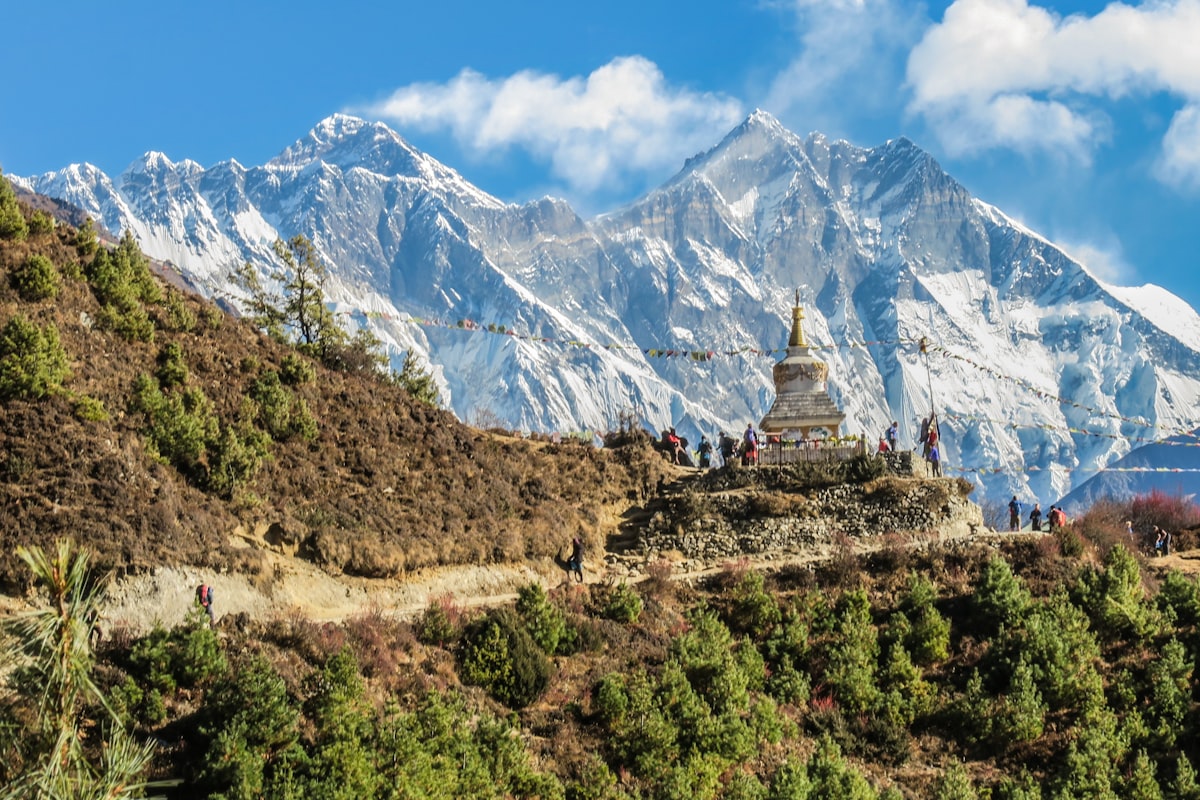
Jinling

From the age of twenty Du Fu spent three or four years wandering Wu and Yue—Jinling, Suzhou, crossing the Zhejiang, boating up the Shan creek as far as the foot of Mount Tianmu. Twenty-eight years later he still could not forget it. This journey, together with the four or five years of riding through Qi and Zhao that followed, formed the bright, open early world of his poetry, before war darkened everything.

📜Classical Inscription & Verse

“The women of Yue are the fairest under heaven; Lake Jian is cool even in the fifth month.”

Timeless landscapes · Walk with nature
03 / 12鲁Shandong⏳ 736 CE🏔️Wild Mountain & Water

Mount Tai (East Peak)

At age twenty-four, Du Fu climbed the sacred Eastern Peak of Mount Tai, composing 'Gazing on Mount Tai' which remains the pinnacle of Chinese ambition literature.

📜Classical Inscription & Verse

“I shall ascend the supreme peak, and in one glance look down on all other mountains.”

Mount Tai Summit Sea of Clouds
🔍Zoom View

Mount Tai East Peak summit looking down on rolling clouds and mountains.

Timeless landscapes · Walk with nature
04 / 12豫Henan⏳ 744 CE🏙️Living Urban Overlay

Luoyang (Meeting Li Bai)

In the eastern capital of Luoyang, 32-year-old Du Fu met the banished immortal Li Bai. Their legendary friendship became the brightest supernova in Chinese literary history.

📜Classical Inscription & Verse

“Drunk, we shared one quilt in autumn; hand in hand, we walked together every day.”

Luoyang Longmen and Eastern Capital
🔍Zoom View

Eastern capital Luoyang and Longmen Grottoes where Du Fu and Li Bai forged their lifelong brotherhood.

Overlaid with modern city · Mindful walk
05 / 12秦Shaanxi⏳ 751 CE🏙️Living Urban Overlay

Chang'an (Decade of Poverty)

In 751, on the occasion of three great state ceremonies, Du Fu submitted his Three Rites Rhapsodies in advance. The emperor was impressed and had the chancellor examine him at the Jixian Institute—the outcome being a single line registering him as a candidate, and nothing more. By then he had lived in the capital five years on patronage and borrowed rice, writing both his ambition—to raise his ruler to the level of Yao and Shun—and his humiliation: at dawn knocking at the gates of the rich, at dusk following the dust of their horses.

📜Classical Inscription & Verse

“To raise my ruler to the level of Yao and Shun, and make the customs of the people simple and pure again.”

Overlaid with modern city · Mindful walk
06 / 12秦Shaanxi⏳ 756 CE🏛️Physical Sanctuary

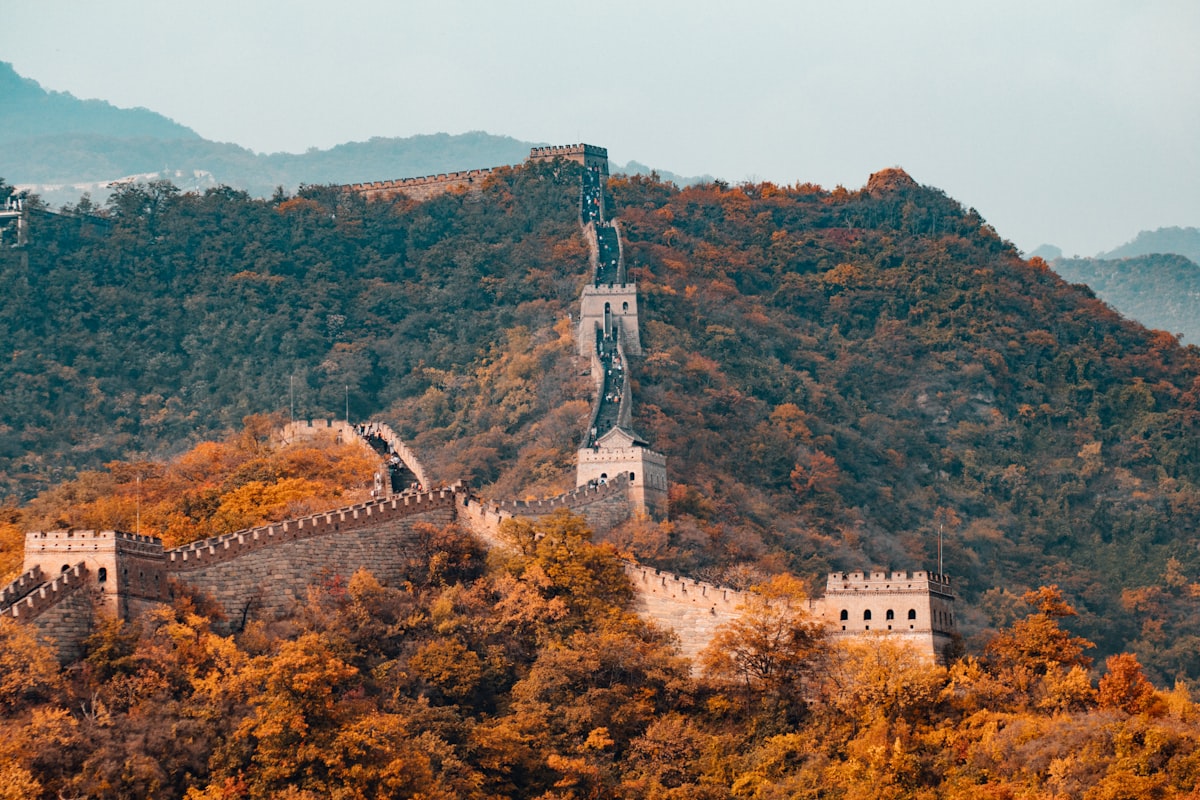
Chang'an (The An Lushan Catastrophe)

When An Lushan's rebel army captured Chang'an, Du Fu was captured and held in the ruined capital. Gazing at overgrown weeds, he penned 'Spring View'.

📜Classical Inscription & Verse

“The empire is shattered, yet mountains and rivers remain; spring over the city brings deep weeds.”

Physical relics preserved · Open for pilgrimage
07 / 12秦Shaanxi⏳ 757 CE🏛️Physical Sanctuary

Fengxiang (The Court in Exile)

Fleeing the occupied capital in rags, slipping past rebel checkpoints in the western mountains, Du Fu finally reached Emperor Suzong's provisional court at Fengxiang and was appointed Left Reminder. It was the highest office he would ever hold, and it lasted barely a year. When he spoke up to defend the disgraced chancellor Fang Guan, he enraged the emperor, was nearly executed for it, and watched his official career end almost as soon as it had begun.

📜Classical Inscription & Verse

“In hemp sandals I met the Son of Heaven, both elbows showing through frayed sleeves.”

Physical relics preserved · Open for pilgrimage

08 / 12陇Gansu⏳ 759 CE🏔️Wild Mountain & Water

Tonggu (Refugee in Qinling Gorges)

Abandoning office altogether, Du Fu led his starving family west through the freezing ravines of the Qinling range toward Qinzhou and then Tonggu, where they dug wild roots from frozen riverbeds to stay alive. In that extremity he wrote the 'Seven Songs of Tonggu', among the bleakest and most unsparing poems in the Chinese language—a father watching his children starve and refusing to look away from any of it.

📜Classical Inscription & Verse

“At year's close the cosmic forces hurry the short light; at heaven's edge, frost and snow clear into a bitter night.”

Timeless landscapes · Walk with nature
09 / 12蜀Sichuan⏳ 760 CE🏛️Physical Sanctuary

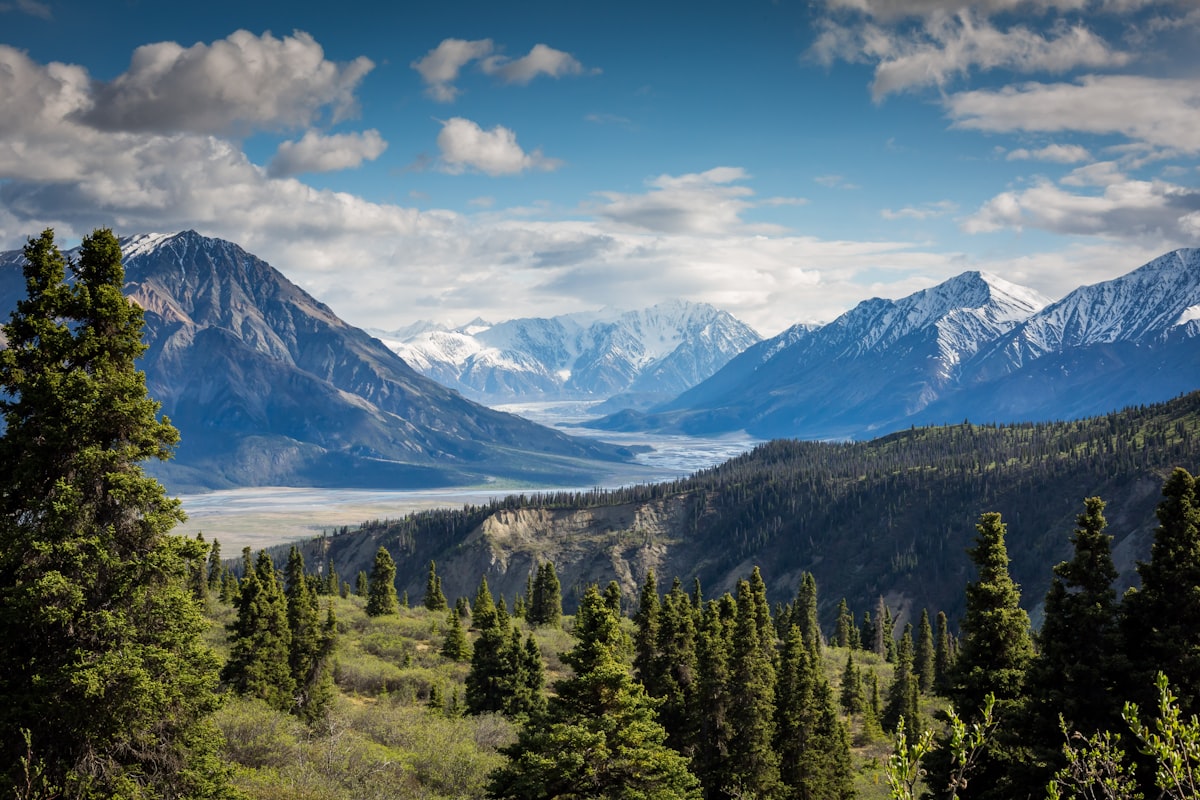
Chengdu Thatched Cottage

Arriving in peaceful Sichuan, Du Fu built his iconic Thatched Cottage on the banks of Huanhua Brook, finding four years of pastoral healing and writing the immortal plea for universal housing.

📜Classical Inscription & Verse

“Could I but get tens of thousands of spacious mansions, to shelter every destitute scholar under heaven with a beaming face!”

Chengdu Du Fu Thatched Cottage and Huanhua Brook
🔍Zoom View

Chengdu Du Fu Thatched Cottage on Huanhua Brook surrounded by ancient nanmu and bamboo groves.

Physical relics preserved · Open for pilgrimage
10 / 12渝Chongqing⏳ 766 CE🏛️Physical Sanctuary

Kuizhou (Three Gorges Peak)

Perched above the terrifying vertical limestone cliffs of Qutang Gorge, ailing Du Fu spent two years producing 437 poems—the absolute zenith of classical Chinese regulated verse.

📜Classical Inscription & Verse

“White dew withers the maple groves; the Wu mountains and Wu gorge breathe a cold, deep hush.”

Three Gorges Kuimen Precipice and Yangtze River
🔍Zoom View

Qutang Gorge limestone cliffs towering over the Yangtze River at Kuimen.

Physical relics preserved · Open for pilgrimage

11 / 12湘Hunan⏳ 768 CE🏛️Physical Sanctuary

Yueyang Tower (Lake Dongting)

Drifting down the Yangtze on a rickety wooden boat, Du Fu climbed Yueyang Tower overlooking the vast inland sea of Lake Dongting, weeping for his divided homeland.

📜Classical Inscription & Verse

“Long ago I heard of Dongting's waters; today I climb the Yueyang Tower. Wu and Chu split east and south; heaven and earth drift day and night upon its waves.”

Lake Dongting and Yueyang Tower Waters
🔍Zoom View

Vast inland horizon of Lake Dongting at Yueyang Tower.

Physical relics preserved · Open for pilgrimage
12 / 12湘Hunan⏳ 770 CE🏔️Wild Mountain & Water

Xiang River (Solitary Gull in the Cosmos)

Du Fu died on the Xiang River in the winter of 770. The sources disagree about where: the Old Book of Tang has him stranded at Leiyang, taken off by a magistrate's boat in a flood, dying after beef and wine; another account puts him aboard a boat between Tanzhou and Yueyang, still writing that blood flows as before and the sound of war moves to this day. What is certain is that he died on a drifting boat, with only a boatman and a lamp for company.

📜Classical Inscription & Verse

“Drifting, fluttering—what am I like? A solitary sand gull suspended between heaven and earth.”

Timeless landscapes · Walk with nature
Act III · Cultural Soul·Inner Crucible

The Inner Crucible & Moral Resilience

Understand the resilient spirit and universal compassion before setting foot upon the stone.

📜 Historic Context Verified
The Cultural Anchor

Du Fu: The Odyssey of China's Poet-Sage

To trace Du Fu is not merely to study Chinese literature; it is an encounter with the supreme power of human empathy. In the darkest adversity, he refused bitterness, expanding his suffering into universal protection for all mortals.

🎋Aesthetic Landscape: A poignant counterpoint between rugged northern loess ravines, verdant Sichuan bamboos, vertiginous Three Gorges cliffs, and vast southern misty waters.
⚖️Western Parallel & Comparative Insight

Dante Alighieri & Victor Hugo (Epic Conscience)

Dante mapped the afterlife and exiled himself into literature; Du Fu mapped a collapsing empire and wrote from inside the ruins, refusing to look away.

🌿The Somatic Walking Experience · Five Senses on the Trail

“Walk the Huanhua Brook path beside the Thatched Cottage before 08:30, when the bamboo is still wet and the tour groups have not arrived. What you feel is not grandeur but endurance: a man who lost everything kept writing. Let that settle into your own shoulders before you walk on.”

Act IV · Constellation·Contemporary Companions

The Literary Constellation: Contemporary Bonds

Great minds never wander entirely alone. Companionships forged on open roads assembled the golden constellation of classical poetry.

✨ 1 Historic Voices Anchored

Li Bai (Li Po)

Tang Dynasty (701–762 CE)

The Banished Immortal & Du Fu's Beloved Friend

Met Du Fu in Luoyang in 744 CE; their bond remains the pinnacle of literary brotherhood.

“Like tumbleweeds we drift far apart; let us drain the cups in our hands.”

Act V · Wayfarer Toolkit·Field & Echo Toolkit
Click to open companion drawer
Featured Field Notes

Tools & Booking

Explore All Guides & Field Notes →
Continue Your Walk

Related Cultural Journeys

FIELD VERIFIED|WalkingChina Editorial Desk · WGS-84 Trace (2026-09-12)
Who maps these routes? → Read the Manifesto